


GT08 Long-Distance Commuting Setup Guide: Standing vs Seated Riding
Long-distance commuting on an electric scooter is very different from short recreational rides. Once daily distances exceed 6–8 miles, small setup details begin to matter a lot. Riding posture, handlebar height, tire pressure, and whether you ride standing or seated all directly affect comfort, fatigue, and safety.
The Arwibon GT08 is frequently used as a commuter electric scooter and even a long distance electric scooter, thanks to its power, stability, and optional seat configuration. But to get the best experience, riders need to set it up correctly for their riding style.
This guide explains how to configure the GT08 for long-distance commuting, comparing standing riding and seated riding, and helping you decide which setup works best for your daily route.
Understanding Long-Distance Commuting Needs
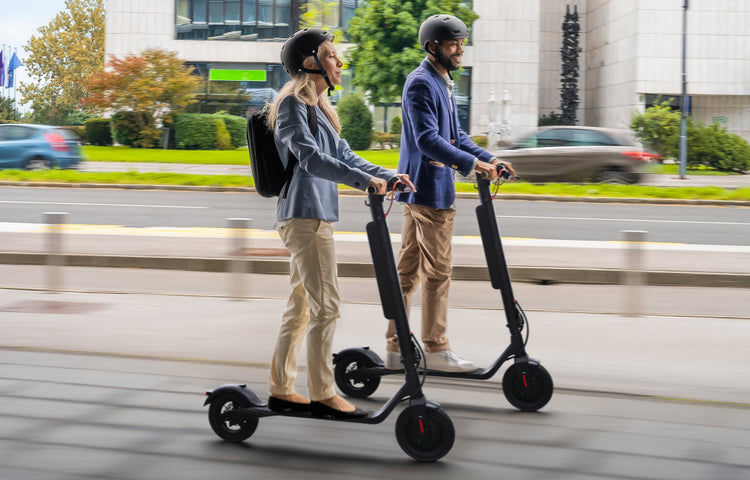
Long-distance commuting places consistent physical and mental demands on the rider. Unlike short rides, long commutes amplify:
-
Leg and foot fatigue
-
Lower back strain
-
Hand and wrist vibration
-
Mental fatigue from constant balance correction
A scooter that feels “fine” for 10 minutes may become uncomfortable after 45 minutes. This is why setup matters more than raw specifications for long-range commuting.
Standing Riding Setup for Long-Distance Commuting
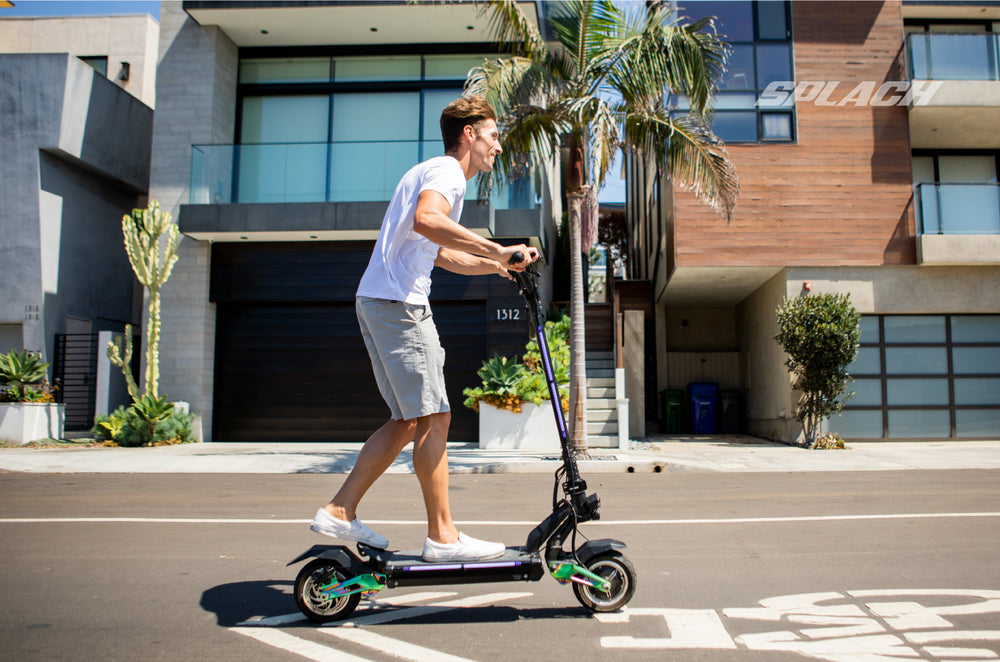
Standing riding is the default mode for most electric scooters, and the GT08 supports it well when configured correctly.
1. Foot Position and Deck Use
The GT08’s wide deck allows riders to:
-
Place feet diagonally rather than straight forward
-
Shift weight periodically
-
Reduce pressure on one leg
For long rides, avoid locking your feet in one position. Small adjustments every few minutes significantly reduce fatigue.
2. Handlebar Height and Grip
For standing commuting:
-
Handlebars should be at or slightly below chest height
-
Arms should remain relaxed, not locked
-
Grips should be held firmly but not tightly
Over-gripping increases wrist and shoulder fatigue over long distances.
3. Tire Pressure and Stability
Proper tire pressure is critical for standing comfort. Underinflated tires increase rolling resistance and fatigue; overinflated tires transmit vibration.
For commuting:
-
Maintain manufacturer-recommended pressure
-
Recheck pressure weekly if riding daily
Correct pressure improves both comfort and electric scooter stability.
4. When Standing Riding Works Best
Standing riding is ideal if:
-
Your commute is under 8–10 miles
-
You prefer active control in traffic
-
You frequently stop and start
-
You ride in dense urban environments
For these scenarios, standing provides visibility and responsiveness.
Seated Riding Setup for Long-Distance Commuting
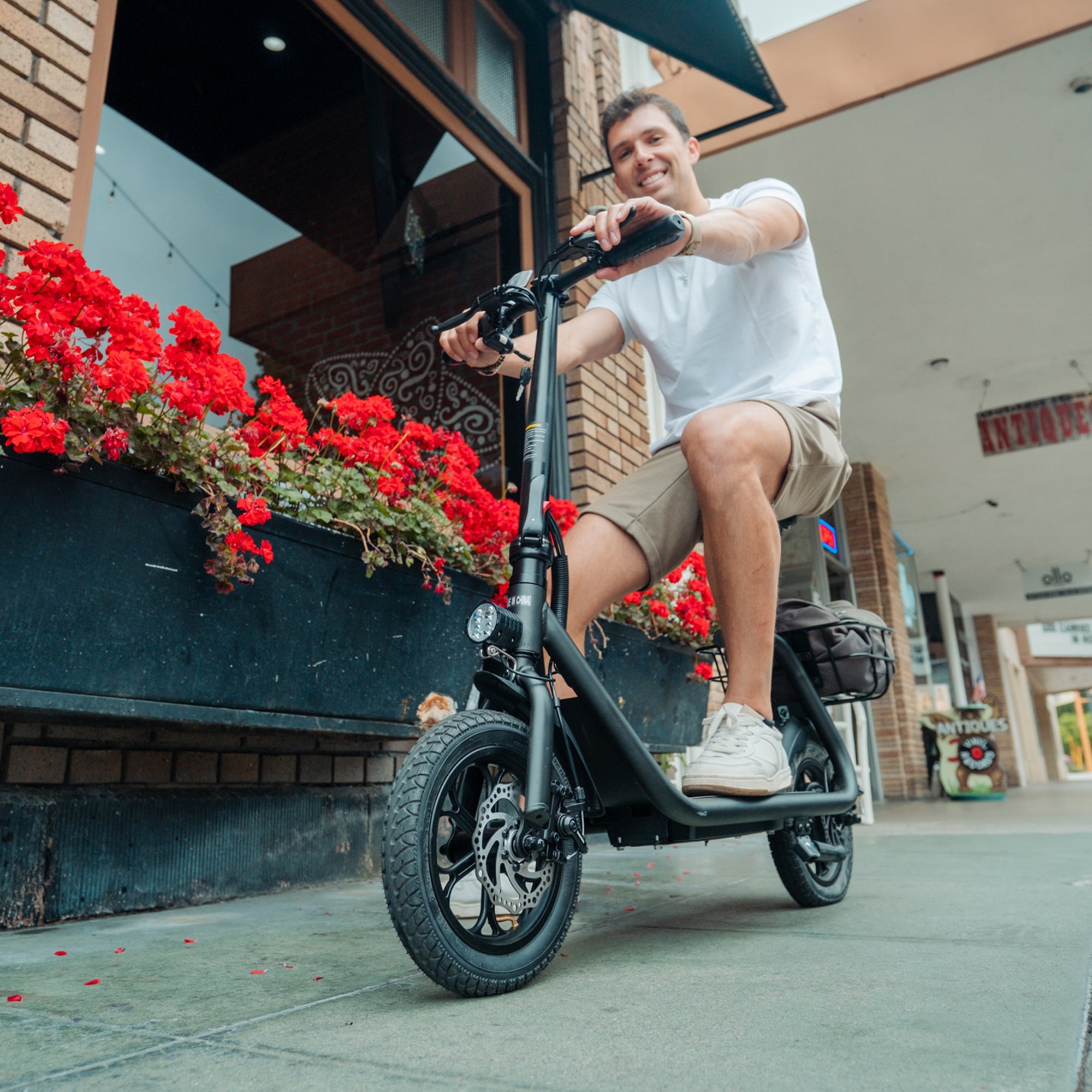
As distances increase, many adult riders switch to seated riding. With a seat installed, the GT08 becomes a folding electric scooter with seat and functions closer to a light electric mobility platform.
1. Why Seated Riding Reduces Fatigue
Seated riding:
-
Removes constant leg load
-
Reduces lower back strain
-
Lowers center of gravity
-
Improves endurance on long rides
For commutes over 10 miles, seated riding can be the difference between arriving relaxed or exhausted.
2. Seat Height and Position
Correct seat setup is essential:
-
Feet should reach the deck comfortably
-
Knees should remain slightly bent
-
Back should stay upright, not hunched
Improper seat height causes discomfort and reduces control.
3. Steering and Control While Seated
When seated:
-
Steering inputs should be smoother
-
Sudden handlebar movements should be avoided
-
Stability improves, but agility decreases slightly
The GT08’s stable frame and optional steering damper (where equipped) help maintain control in seated mode.
4. When Seated Riding Makes Sense
Seated riding is best if:
-
Your commute exceeds 10–12 miles
-
You ride long, straight routes
-
You experience leg or knee fatigue
-
Comfort matters more than agility
Many riders alternate between seated and standing depending on distance.
Standing vs Seated: Direct Comparison for Commuting
| Factor | Standing Riding | Seated Riding |
|---|---|---|
| Fatigue Over Distance | Higher | Much lower |
| Control in Traffic | Higher | Moderate |
| Comfort (10+ miles) | Limited | Excellent |
| Visibility | Higher | Slightly lower |
| Best Use Case | Short–medium commutes | Long-distance commutes |
This comparison highlights why the GT08’s flexibility is so valuable for adult commuters.
Battery and Range Considerations for Long Commutes
Long-distance commuting also stresses the battery. Proper setup helps preserve range:
-
Use steady cruising speeds
-
Avoid aggressive acceleration
-
Maintain correct tire pressure
-
Reduce unnecessary weight
Seated riding often improves efficiency slightly due to smoother throttle control and reduced body movement.
Folding and Storage After Long Commutes
After a long ride, practical details matter. The GT08’s folding design allows:
-
Easier storage at work or home
-
Reduced space usage
-
Compatibility with mixed commuting (ride + store)
Even as a powerful commuter scooter, folding adds daily convenience.
Which Setup Is Right for You?
Choose standing setup if:
-
You commute short to medium distances
-
You ride in heavy traffic
-
You prefer active riding
Choose seated setup if:
-
You commute long distances regularly
-
Comfort and endurance are priorities
-
You experience fatigue when standing
Many GT08 owners switch between both depending on route and schedule.
Final Thoughts: Comfort Is a Setup Choice
The Arwibon GT08 is capable of long-distance commuting—but comfort depends on how you configure it.
By choosing the right riding posture, adjusting your setup, and understanding your own riding patterns, you can transform the GT08 from a powerful scooter into a truly sustainable daily transportation tool.
Whether standing or seated, the key is not riding harder—but riding smarter.