


Electric Scooter With Seat Safety Tips
As more adult riders choose an electric scooter with seat for daily commuting and longer rides, safety becomes a top concern. Searches like “electric scooter with seat safety tips”, “are seated electric scooters safe for adults”, or “how to ride a seated electric scooter safely” reflect a shift in mindset: riders are no longer just interested in speed or comfort—they want confidence, predictability, and long-term reliability.
Seated riding changes how an electric scooter behaves. It affects posture, braking dynamics, reaction time, and weight distribution. This guide is written for adult electric scooter users who want practical, real-world safety guidance—especially those using seat-compatible platforms such as the Arwibon GT08, a foldable electric scooter designed for commuting and sustained use.
This article focuses on what actually keeps seated riders safe: design awareness, correct riding habits, and proper maintenance.
Product / Feature Analysis
Riding with a seat does not automatically make an electric scooter safer or riskier—but it changes the safety equation. Understanding these changes is the first step toward safer riding.
1. How a Seat Changes Riding Dynamics
When seated:
-
Your center of gravity is lower
-
Your legs are no longer absorbing bumps
-
Your body movement is more limited
Safety implications:
-
Improved straight-line stability at cruising speed
-
Slightly slower body-based corrections
-
Greater reliance on braking quality and suspension
Adult scooters that support seating—such as the Arwibon GT08—are designed with these factors in mind, balancing stability with predictable control.
2. Braking Behavior: What Seated Riders Must Know
Braking is the most critical safety system on any electric scooter, and seated riding changes how braking feels.
Standing riders:
-
Naturally shift weight forward during braking
-
Use legs to help stabilize
Seated riders:
-
Experience more uniform weight distribution
-
Rely more on brake modulation than body movement
This means seated scooters should always have:
-
Strong front and rear brakes
-
Smooth, predictable response
-
Regular brake inspections
High-quality braking systems are essential for adult riders commuting in traffic or riding at consistent speeds.
3. Suspension and Tire Grip
Because seated riders do not absorb impacts with their legs, suspension and tires play a larger role in safety.
What matters most:
-
Suspension that keeps tires in contact with the road
-
Tires with sufficient grip for wet and dry conditions
-
Proper tire pressure to avoid loss of traction
Poor suspension or underinflated tires can increase stopping distance and reduce control—especially noticeable when riding seated.
4. Visibility and Awareness
Seated riders may sit slightly lower than standing riders. While this improves stability, it also means:
-
Cars may see you slightly later
-
You must be proactive about visibility
Safety features and habits that help:
-
Front and rear lights
-
Reflective gear
-
Bright or contrasting clothing
-
Clear signaling and predictable movement
Visibility is not optional for commuters—it’s part of safe riding.

 Buying Guide / Usage Scenario
Safety priorities change depending on how and where you ride your seated electric scooter.
Scenario 1: Daily Urban Commuting
Urban commuting introduces risks such as:
-
Traffic intersections
-
Sudden stops
-
Uneven pavement
-
Pedestrian unpredictability
Safety tips for seated commuters:
-
Maintain moderate cruising speeds
-
Increase following distance
-
Brake earlier than standing riders
-
Avoid sudden directional changes
Scooters like the Arwibon GT08, designed for adult commuting, focus on predictable handling rather than aggressive acceleration—an important safety advantage in cities.
Scenario 2: Longer Distance or Faster Routes
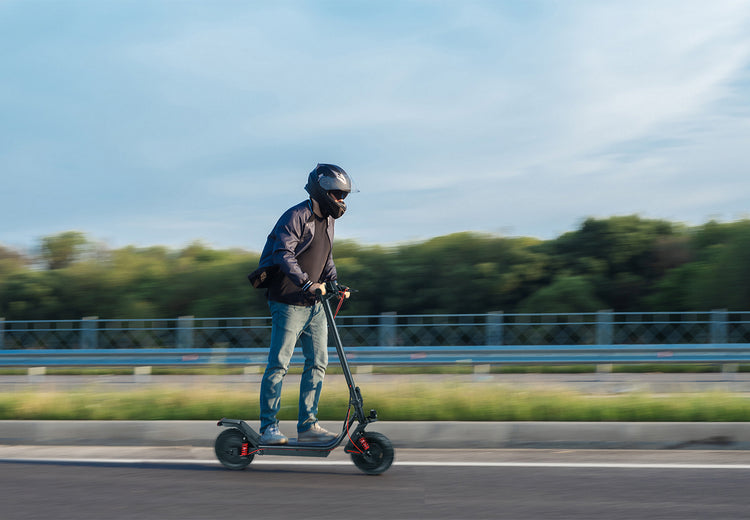
On longer routes or higher-speed bike paths:
-
Fatigue becomes a safety factor
-
Reaction time matters more
-
Consistency is key
Seated riding reduces fatigue, but riders must:
-
Stay mentally alert
-
Avoid “cruise complacency”
-
Take breaks on very long rides
Lower fatigue improves safety—but only if awareness remains high.
Scenario 3: Heavier Adult Riders
Heavier riders benefit from seated riding, but must be especially mindful of:
-
Braking distance
-
Tire pressure
-
Suspension condition
Safety recommendations:
-
Keep tires at manufacturer-recommended pressure
-
Inspect brakes more frequently
-
Avoid abrupt stops
Adult-oriented scooters are better suited for this use case than lightweight recreational models.
Scenario 4: Mixed Riding (Sit + Stand)
Many riders alternate between sitting and standing:
-
Sitting on straight sections
-
Standing for rough pavement or tight turns
Safety tip:
Always adjust speed and posture before switching positions. Sudden transitions at speed increase risk.
Technical Details / Safety / Maintenance
Safety is not just about how you ride—it’s about how you maintain your scooter.
1. Essential Safety Gear for Seated Riders
Even when seated, protective gear is essential:
-
Helmet (always)
-
Gloves for grip and control
-
Reflective or high-visibility clothing
-
Weather-appropriate protection
A seated position may feel more stable, but falls can still happen.
2. Weekly Safety Checks (5 Minutes)
Before regular commuting:
-
Check tire pressure
-
Test front and rear brakes
-
Ensure seat mount is tight
-
Verify lights function
These quick checks dramatically reduce accident risk.
3. Monthly Maintenance for Safety
Monthly inspections should include:
-
Brake pad wear
-
Suspension fasteners
-
Folding mechanism integrity
-
Steering alignment
For foldable electric scooters, the folding joint deserves special attention, as it is a critical safety component.
4. Battery and Electrical Safety
Battery safety contributes indirectly to riding safety:
-
Stable power delivery prevents unexpected surges
-
Healthy batteries ensure predictable acceleration
Best practices:
-
Avoid riding immediately after charging in extreme heat
-
Store the scooter in a dry environment
-
Use only recommended chargers
5. When Not to Ride
Even the safest scooter should not be ridden when:
-
Brakes feel inconsistent
-
Steering feels loose
-
Tires are damaged or severely underinflated
-
Visibility is extremely poor
Choosing not to ride is sometimes the safest decision.
How the Arwibon GT08 Addresses Seated Safety
The Arwibon GT08 is frequently chosen by adult riders because it:
-
Supports seated riding without compromising stability
-
Uses strong braking systems suitable for seated load
-
Offers suspension tuned for real-world roads
-
Remains a foldable electric scooter for daily practicality
-
Encourages predictable, controlled riding rather than aggressive behavior
These design priorities align well with safety-focused commuting.
Common Safety Mistakes Seated Riders Make
❌ Assuming seated riding is automatically safer
❌ Riding too fast because it “feels stable”
❌ Neglecting brake and tire maintenance
❌ Forgetting visibility gear
❌ Ignoring early warning signs like noise or vibration
Avoiding these mistakes greatly improves safety outcomes.
Riding an electric scooter with seat can be safe, comfortable, and highly practical for adult commuters—but only when safety is approached intentionally.
Key safety principles:
-
Understand how seating changes riding dynamics
-
Prioritize braking, suspension, and tire condition
-
Maintain visibility and awareness
-
Perform regular maintenance checks
-
Choose adult-oriented platforms designed for seated use
Scooters like the Arwibon GT08 demonstrate how thoughtful design can support seated riding without sacrificing control, safety, or foldability.
When safety habits match good design, a seated electric scooter becomes not just comfortable—but truly reliable transportation.