


L'impegno di Arwibon per la sicurezza dei motociclisti: progettazione e supporto.
La sicurezza è spesso trattata come una lista di controllo: luci, freni, casco, fatto. In realtà, la sicurezza dello scooter elettrico—specialmente per i pendolari quotidiani—non è definita da alcuna singola caratteristica. È il risultato di un sistema che funziona insieme: struttura, geometria, controllo della potenza, guida nel mondo reale e supporto a lungo termine.
In Arwibon, la sicurezza non è un accessorio. È un principio di progettazione che plasma ogni scooter Arwibon, da come i telai sono rinforzati a come i manuali sono scritti e come viene fornita la guida post-vendita. Questo articolo spiega come Arwibon affronta la sicurezza del guidatore come un sistema completo, con un focus sul pendolarismo adulto e le condizioni reali della strada.
La Sicurezza Non È un "Accessorio" – È un Sistema
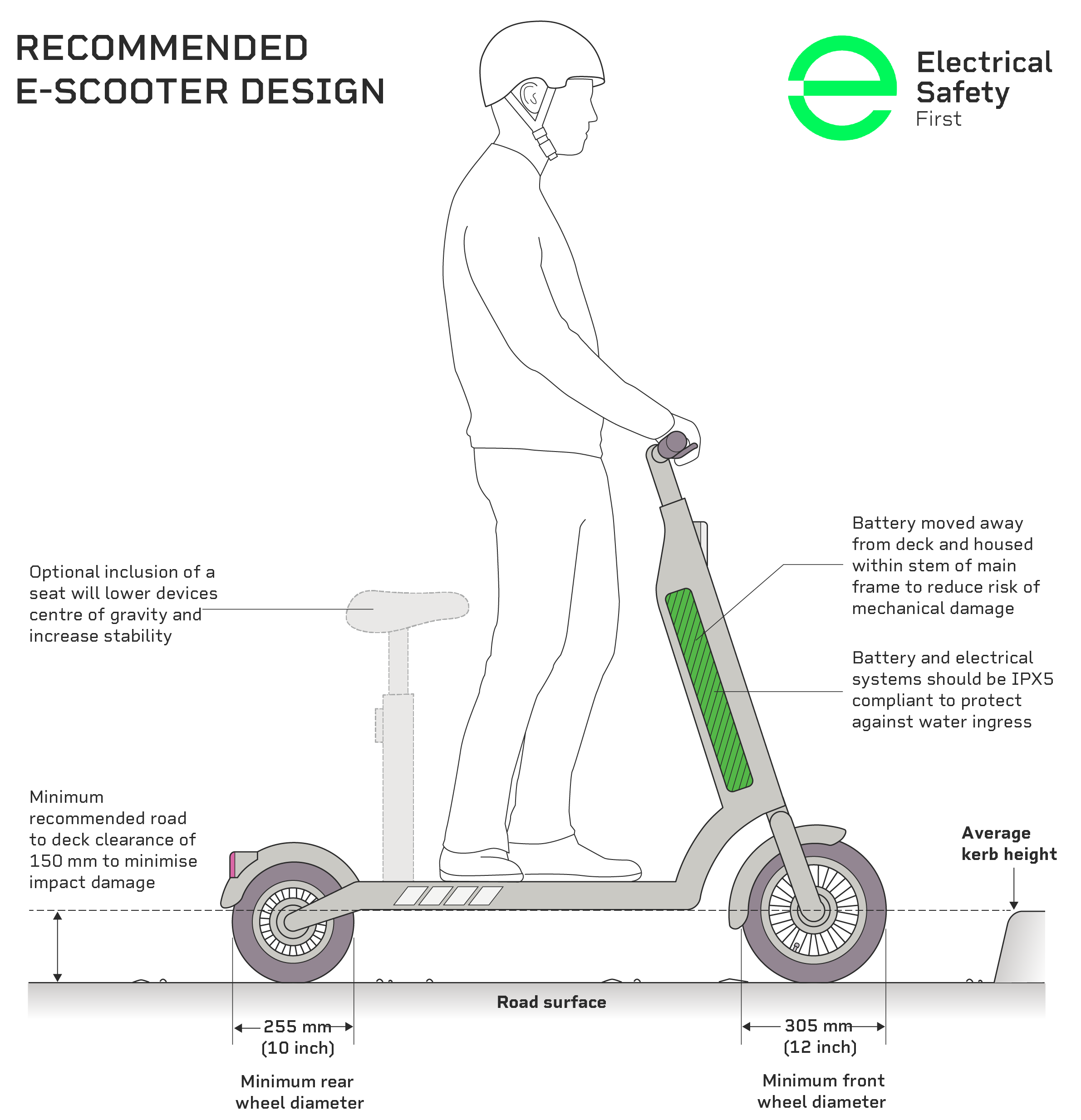
Molti prodotti si affidano ad aggiunte per rivendicare la sicurezza: luci più luminose, clacson più forti, dischi dei freni più spessi. Mentre questi aiutano, non possono compensare fondamentali deboli.
Cosa Include Veramente un Sistema di Sicurezza
Un sistema di sicurezza significativo combina:
-
Integrità strutturale
-
Maneggevolezza prevedibile
-
Erogazione controllata della potenza
-
Chiare linee guida operative
-
Educazione continua del guidatore
Se uno qualsiasi di questi fallisce, il margine di sicurezza complessivo diminuisce. L'approccio di Arwibon inizia con decisioni ingegneristiche che presuppongono guidatori adulti, uso quotidiano e strade imperfette.
Perché l'Uso Adulto Cambia le Priorità di Sicurezza
I guidatori adulti:
-
Sostengono più peso
-
Percorrono distanze più lunghe
-
Viaggiano nel traffico misto
-
Si aspettano prestazioni consistenti
Progettare per adulti significa che i margini di sicurezza devono essere integrati nello scooter stesso, non lasciati ad accessori o presupposti.
Stabilità Strutturale, Sicurezza e Potenza Controllabile
Rigidità del Telaio e Geometria
Una guida stabile inizia con la struttura. Gli scooter Arwibon sono progettati con:
-
Telai rigidi che resistono alla flessione
-
Geometria che favorisce la stabilità in linea retta
-
Punti di stress rinforzati al cannotto e al piano di calpestio
La flessione e l'instabilità amplificano piccoli input del guidatore in movimenti più ampi—specialmente alle velocità del pendolarismo. Ridurre la flessione aumenta la prevedibilità.
Frenata ed Equilibrio
I freni sono efficaci solo se lo scooter rimane equilibrato durante la decelerazione. La stabilità durante la frenata dipende da:
-
Lunghezza del passo
-
Impronta del pneumatico
-
Comportamento della sospensione
I progetti Arwibon si concentrano su una frenata progressiva, non su arresti bruschi che destabilizzano il guidatore.
Potenza Gestibile, Non Solo Potente
L'alta potenza da sola non equivale alla sicurezza. Infatti, la potenza non controllata aumenta il rischio.
Arwibon enfatizza:
-
Risposta dell'acceleratore fluida
-
Curve di accelerazione prevedibili
-
Protezione contro picchi improvvisi
Questo approccio aiuta i guidatori a mantenere il controllo nel traffico, specialmente durante le partenze, le curve e su superfici irregolari.
Rischi Realistici del Pendolarismo: Cosa Affrontano Veramente i Guidatori
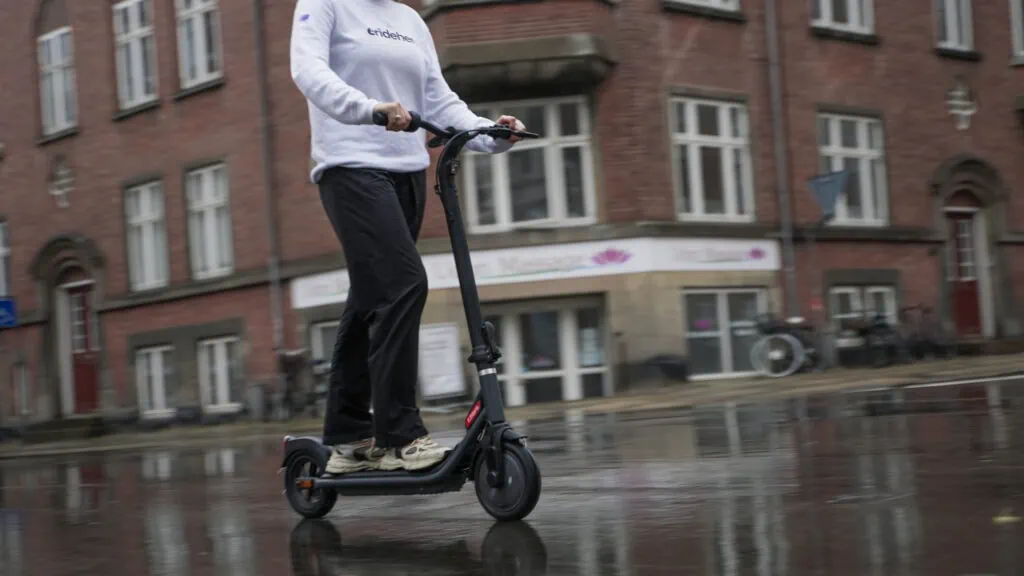
La progettazione della sicurezza deve riflettere le strade reali, non le condizioni ideali.
Pericoli Urbani Comuni
I pendolari quotidiani incontrano frequentemente:
-
Buche e pavimentazione crepata
-
Tombini e piastre metalliche
-
Segnaletica orizzontale dipinta
-
Cambiamenti improvvisi della superficie
Ognuno di questi può ridurre la trazione o compromettere l'equilibrio se lo scooter non è stabile e prevedibile.
Condizioni Bagnate e Aderenza Ridotta
La pioggia comporta:
-
Aderenza dei pneumatici ridotta
-
Distanze di frenata più lunghe
-
Rischio di scivolamento aumentato su metallo o vernice
Le linee guida sulla sicurezza di Arwibon consigliano costantemente riduzione della velocità e maggiore cautela in condizioni bagnate—nessuno scooter può sovrascrivere la fisica.
Interazioni con il Traffico
Auto, biciclette e pedoni si comportano in modo imprevedibile. Uno scooter da pendolare deve:
-
Accelerare dolcemente nel flusso del traffico
-
Frenare in modo prevedibile
-
Mantenere la stabilità durante le manovre evasive
La sicurezza riguarda tanto l'essere prevedibili per gli altri quanto l'abilità del guidatore.
Come Arwibon Utilizza Supporto e Guida per Ridurre il Rischio
L'ingegneria da sola non può eliminare il rischio. Come i guidatori usano e mantengono i loro scooter conta altrettanto.
Manuali Chiari e Standard di Installazione
Arwibon fornisce:
-
Manuali specifici per modello
-
Standard di installazione e ispezione
-
Confini di responsabilità chiari
Questi documenti spiegano non solo cosa fare, ma perché è importante.
Educazione Proattiva alla Sicurezza
Piuttosto che reagire solo dopo che si verificano problemi, Arwibon pubblica:
-
Guide di installazione
-
Programmi di manutenzione
-
Contenuti blog focalizzati sulla sicurezza
Questo approccio proattivo aiuta i guidatori a evitare errori comuni prima che diventino incidenti.
Supporto Post-Vendita come Strato di Sicurezza
Il supporto non riguarda solo la risoluzione dei problemi—riguarda la loro prevenzione.
La guida post-vendita aiuta i guidatori a:
-
Identificare precocemente comportamenti anomali
-
Evitare un uso continuato non sicuro
-
Sostituire i componenti usurati prima del guasto
Una comunicazione tempestiva spesso previene problemi di sicurezza più seri in seguito.
Equipaggiamento di Sicurezza e Abitudini di Guida: Raccomandazioni Realistiche

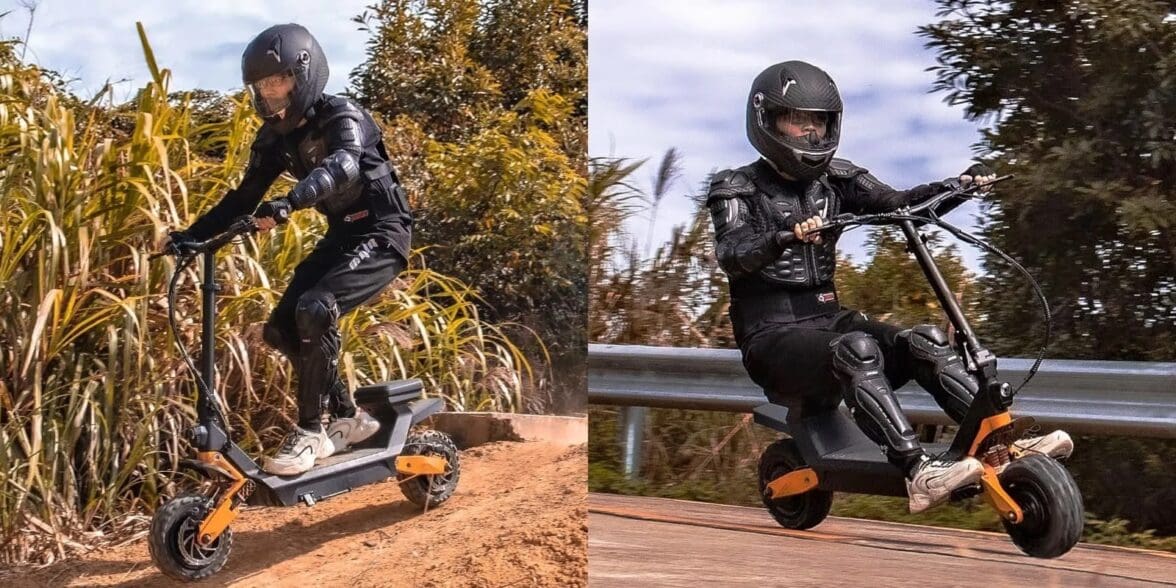
Arwibon non esagera né drammatizza i consigli sulla sicurezza. Invece, ci concentriamo su ciò che fa costantemente la differenza.
Equipaggiamento Protettivo Essenziale
Per il pendolarismo quotidiano:
-
Casco omologato (non negoziabile)
-
Guanti per presa e protezione delle mani
-
Scarpe chiuse con suole solide
Questi elementi riducono significativamente la gravità degli infortuni senza limitare la mobilità.
Visibilità Prima dell'Armatura
Essere visti conta tanto quanto essere protetti:
-
Usare le luci in condizioni di scarsa visibilità
-
Indossare elementi riflettenti
-
Evitare abiti scuri, non riflettenti di notte
La visibilità riduce il rischio di collisione in modo più efficace del solo equipaggiamento pesante.
Abitudini di Guida Sicure che Contano
Le buone abitudini includono:
-
Guidare in modo difensivo
-
Mantenere lo spazio nel traffico
-
Evitare distrazioni
-
Adattare la velocità alle condizioni
Questi comportamenti superano costantemente qualsiasi singola caratteristica hardware nel ridurre gli incidenti.
Perché una Comunicazione Onesta sulla Sicurezza È Importante
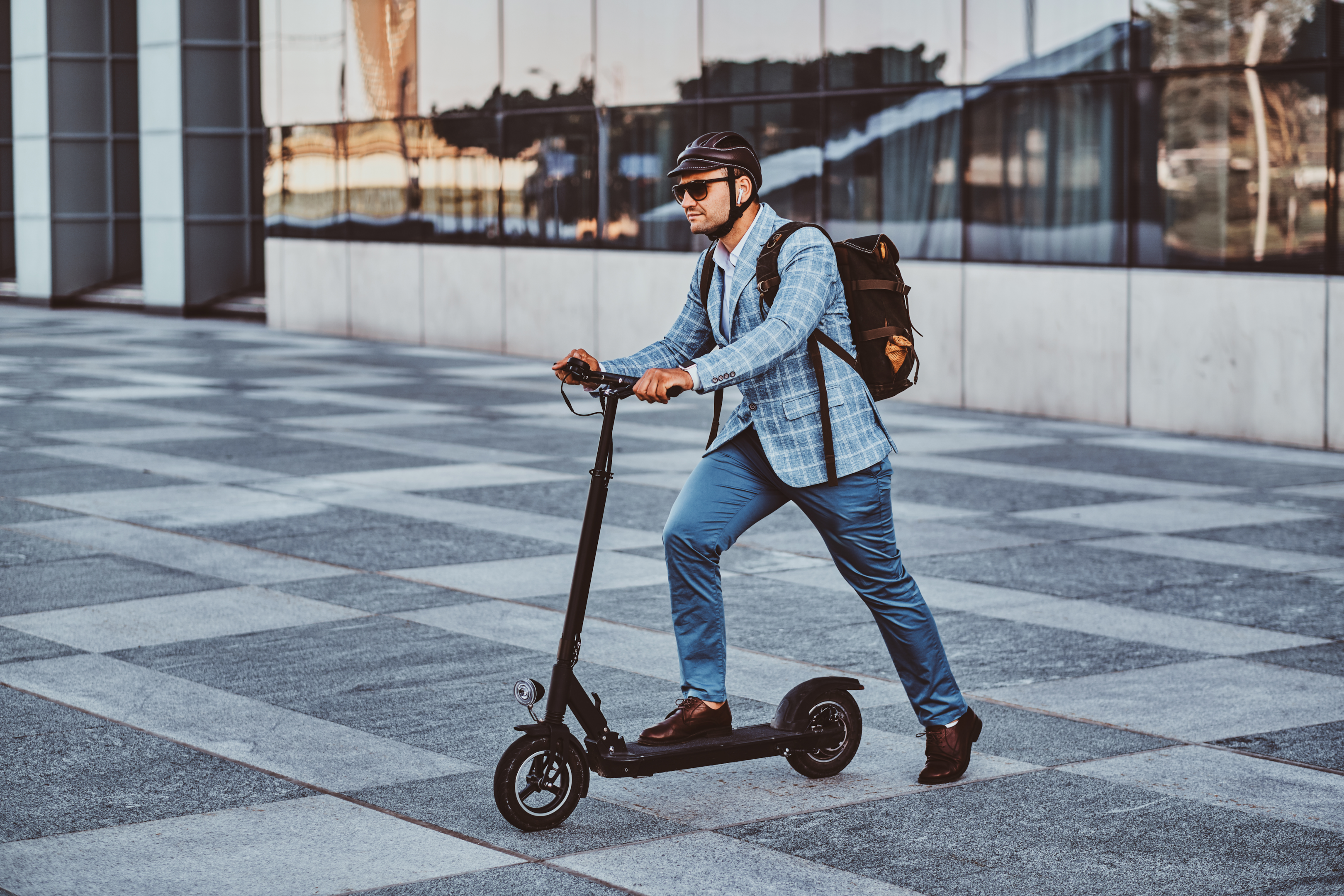

Promettere troppo in termini di sicurezza crea falsa fiducia. Arwibon evita affermazioni che suggeriscono che gli scooter siano privi di rischi.
Invece, crediamo:
-
I guidatori informati sono guidatori più sicuri
-
Limiti chiari riducono l'uso improprio
-
La trasparenza costruisce fiducia a lungo termine
La sicurezza non riguarda l'eliminazione del rischio—riguarda gestirlo in modo responsabile.
La Sicurezza Come Impegno Continuo
La sicurezza non termina all'acquisto. Le strade cambiano, i componenti si usurano e le abitudini di guida evolvono.
L'impegno di Arwibon include:
-
Progettare scooter per le realtà degli adulti
-
Fornire una guida accurata
-
Supportare i guidatori nel tempo
Questa combinazione di progettazione e supporto è ciò che rende la sicurezza sostenibile.
La Sicurezza È una Responsabilità Condivisa
Una guida sicura inizia con un'ingegneria ponderata—ma continua con un uso informato.
Trattando la sicurezza come un sistema—combinando struttura, controllo, consapevolezza del mondo reale e supporto continuo—gli scooter Arwibon mirano a servire i guidatori che si affidano ai loro scooter ogni giorno.
La sicurezza dello scooter elettrico non riguarda la paura o l'esagerazione.
Riguarda la preparazione, l'onestà e la responsabilità.
Questa è la base dell'impegno di Arwibon per la sicurezza del guidatore.