


Seated Electric Scooter vs Standing Electric Scooter
As electric scooters continue to evolve from simple last-mile tools into serious daily transportation, more adult riders are asking a fundamental question:
Should I choose a seated electric scooter or a standing electric scooter?
Searches related to seated electric scooter vs standing electric scooter usually come from riders who:
-
Commute daily instead of riding occasionally
-
Travel longer distances (8–30 miles per ride)
-
Carry more body weight or gear
-
Care about comfort, stability, and long-term use
This comparison is especially relevant for adult electric scooter buyers considering models like the Arwibon GT08, which supports both standing riding and optional seat configurations while remaining a foldable electric scooter.
This guide breaks down the real-world differences, not marketing claims—so you can choose the configuration that actually fits your riding habits, body needs, and commute.

 Product / Feature Analysis
At first glance, the difference seems obvious: one has a seat, the other doesn’t.
In reality, the choice affects rider posture, fatigue, control dynamics, braking behavior, and maintenance requirements.
Let’s analyze the key differences from a practical perspective.
1. Riding Posture and Fatigue
Standing electric scooters
-
Engage legs, core, and arms constantly
-
Allow fast body movement and quick balance correction
-
Can cause leg, ankle, and lower-back fatigue over long distances
Seated electric scooters
-
Shift rider weight to the frame instead of legs
-
Reduce muscle fatigue during long rides
-
Offer a more relaxed posture, especially for commuting
For adult riders traveling more than 20–30 minutes per ride, seated scooters often reduce fatigue significantly. This is why many long-distance riders prefer a seated setup—even if they occasionally stand when needed.
2. Control and Responsiveness
Standing scooters provide:
-
Faster weight shifting
-
Quicker reaction to obstacles
-
More intuitive handling at low speeds
Seated scooters provide:
-
A lower center of gravity
-
More consistent posture
-
Slightly slower body response but improved stability at cruising speeds
On models like the Arwibon GT08, riders often alternate between standing and seated riding depending on road conditions, showing that the difference is not binary but situational.
3. Speed Perception vs Actual Safety
Standing riders often feel faster because of:
-
Upright posture
-
Increased wind exposure
-
Greater body movement
Seated riders often feel more stable at the same speed due to:
-
Lower center of gravity
-
Reduced vibration transfer to the legs
Importantly, top speed does not change simply because a seat is added—but braking distance, fatigue tolerance, and reaction confidence can change.
4. Storage and Portability
A common concern is whether a seat reduces portability.
-
Standing scooters are generally lighter and simpler to fold
-
Seated scooters may require removing or folding the seat
However, many adult-focused scooters—including the Arwibon GT08—are designed to remain foldable electric scooters, even with seat compatibility.
For commuters who:
-
Bring scooters into offices
-
Store them in apartments
-
Combine riding with public transport
…foldability still matters, regardless of seating choice.
5. Maintenance Differences
Seated scooters introduce:
-
Seat mounting hardware
-
Additional fasteners
-
Slightly higher stress on suspension
Standing scooters:
-
Have fewer components
-
Require less structural inspection
That said, for adult riders, the maintenance difference is minimal when basic checks are followed regularly.
Buying Guide / Usage Scenario
Choosing between a seated electric scooter and a standing electric scooter depends far more on how you ride than on how the scooter looks.
Scenario 1: Daily Urban Commuting
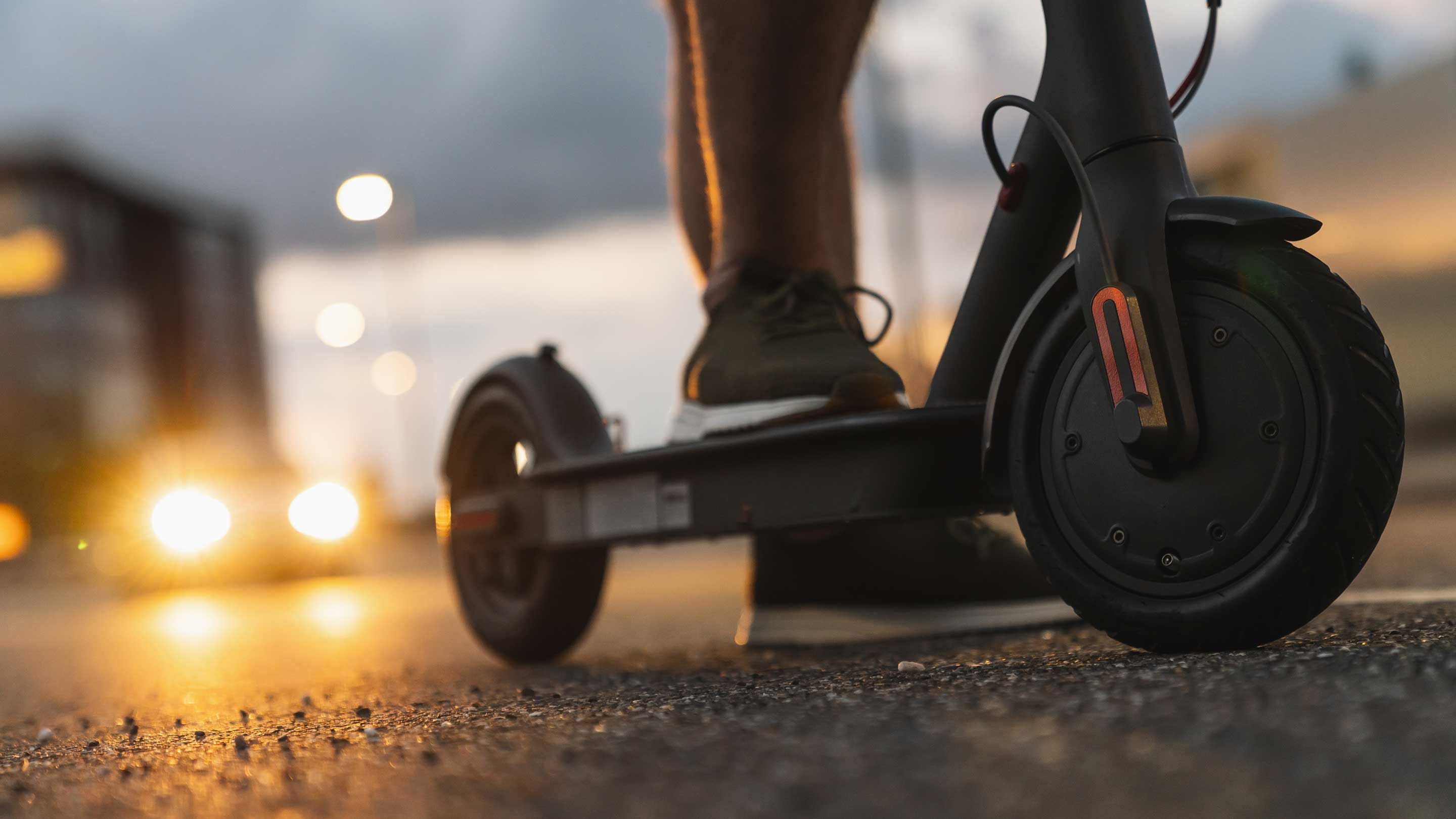 Standing scooter works best if:
-
Your commute is short (under 5–6 miles)
-
You ride in dense traffic and need agility
-
You frequently carry the scooter upstairs
Seated scooter works best if:
-
Your commute exceeds 20–30 minutes
-
You ride mostly straight roads or bike lanes
-
Comfort and reduced fatigue matter
For adult commuters, many riders choose a scooter that supports both, starting seated for longer stretches and standing when maneuverability is needed.
Scenario 2: Long-Distance Riding
Long-distance riding highlights the biggest difference between seated and standing scooters.
Standing for extended periods can lead to:
-
Foot numbness
-
Knee strain
-
Reduced focus
Seated riding:
-
Preserves energy
-
Improves consistency
-
Makes longer rides realistic
This is where adult scooters like the Arwibon GT08 shine, as they are designed for sustained use rather than short recreational trips.
Scenario 3: Heavier Adult Riders
Heavier riders often experience:
-
Faster leg fatigue when standing
-
Greater stress on ankles and knees
A seated electric scooter distributes load more evenly across the frame and suspension, making it a better option for many adult riders.
Scenario 4: Mixed Riding (Best of Both Worlds)
Some of the most satisfied adult riders choose scooters that:
-
Allow seated riding for comfort
-
Allow standing riding for control
This flexibility is particularly useful on scooters with:
-
Large decks
-
Strong suspension
-
Stable braking systems
Technical Details / Safety / Maintenance

1. Braking Differences
Braking dynamics change slightly when seated:
-
Rider weight shifts less forward
-
Reaction time may be slightly slower
For safety, seated scooters should always have:
-
Strong front and rear braking
-
Predictable brake modulation
High-performance adult scooters compensate for this through better braking systems rather than relying on rider posture alone.
2. Suspension and Stability
Seated riding places continuous load on suspension:
-
Poor suspension leads to discomfort
-
Proper suspension improves control and confidence
Standing riding relies more on the rider’s legs to absorb vibration, which becomes tiring over time.
3. Safety Equipment and Habits
Regardless of seating choice:
-
Helmet is mandatory
-
Visibility gear is strongly recommended
-
Speed should match road conditions
Seated riding should never be treated as “safer by default”—it still requires awareness and proper technique.
4. Maintenance Considerations
Seated scooters require:
-
Regular seat bolt checks
-
Inspection for play or noise
-
Monitoring suspension wear
Standing scooters:
-
Require more attention to deck grip and stem tightness
In both cases, routine weekly checks dramatically reduce failure risk.
Which Is Better: Seated or Standing?
There is no universal answer—only the right answer for your riding style.
| Rider Type | Better Option |
|---|---|
| Short-distance commuter | Standing |
| Long-distance commuter | Seated |
| Heavier adult rider | Seated |
| Agile city rider | Standing |
| Comfort-focused rider | Seated |
| Mixed-use rider | Convertible (both) |
This is why many adult riders prefer scooters like the Arwibon GT08, which allow flexibility without forcing a single riding style.
The debate between seated electric scooter vs standing electric scooter is not about which is “better”—it’s about which is more appropriate for your daily reality.
Standing scooters excel in agility and simplicity.
Seated scooters excel in comfort and endurance.
For adult riders, especially commuters and long-distance users, comfort, stability, and sustainability matter more than novelty.
If you:
-
Commute regularly
-
Ride longer distances
-
Want flexibility
-
Value long-term usability
…choosing an adult electric scooter that supports both riding styles—while remaining a foldable electric scooter—is often the smartest decision.