


Jak długo wytrzymują hulajnogi Arwibon?
Jednym z najczęstszych pytań zadawanych przez nowych nabywców jest proste, ale ważne: jak długo mój hulajnoga elektryczna faktycznie posłuży?
Strony marketingowe często koncentrują się na prędkości, mocy lub zasięgu, ale długoterminowe użytkowanie definiuje trwałość, nawyki konserwacyjne i realistyczne oczekiwania. Dla jeźdźców rozważających hulajnogi Arwibon, zrozumienie żywotności pomaga ustalić właściwe oczekiwania i uniknąć niepotrzebnych kosztów.
Ten poradnik wyjaśnia rzeczywistą żywotność hulajnogi Arwibon, dzieląc ją na żywotność strukturalną, żywotność baterii i cykle zużycia komponentów. Pokazuje również, które nawyki skracają żywotność, jak efektywnie konserwować hulajnogę oraz kiedy kontakt z obsługą posprzedażną może faktycznie zaoszczędzić pieniądze.
Żywotność = Konstrukcja + Bateria + Elementy Eksploatacyjne
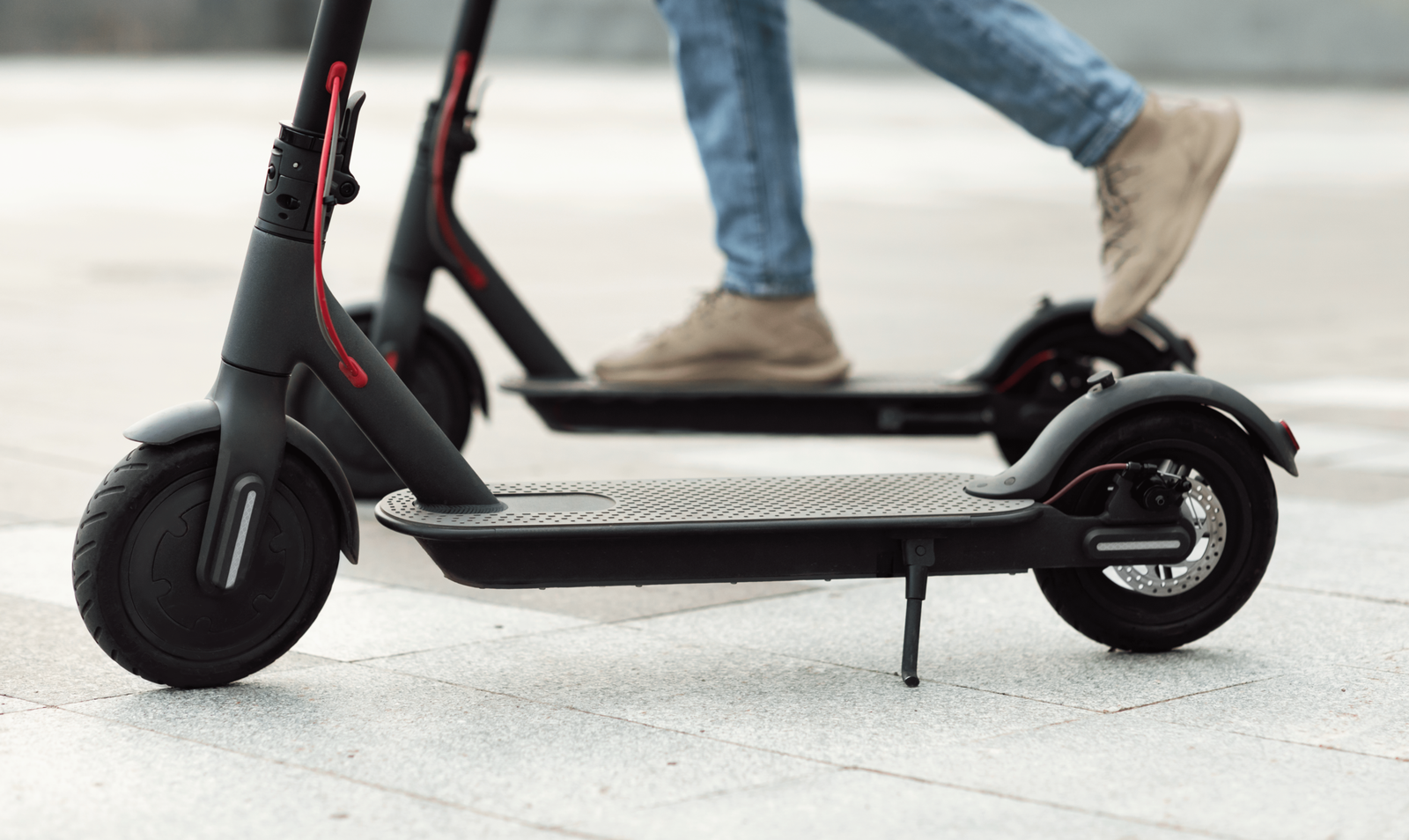
Hulajnoga elektryczna nie „wygasa” nagle. Jej użyteczna żywotność zależy od kilku systemów starzejących się w różnym tempie.
1. Żywotność Konstrukcyjna (Rama i Podstawowe Komponenty)
Żywotność konstrukcyjna obejmuje:
-
Rama i platforma
-
Słupki i mechanizm składania
-
Spoiny i złącza nośne
Przy prawidłowym użytkowaniu te części są zaprojektowane, aby służyć wiele lat. Na żywotność konstrukcyjną największy wpływ mają:
-
Waga jeźdźca vs nośność projektowa
-
Warunki drogowe
-
Styl jazdy (płynny vs agresywny)
W przypadku konstrukcji skierowanych na dorosłych, takich jak hulajnogi Arwibon, struktura jest zbudowana, aby wytrzymać codzienne dojazdy, a nie okazjonalne użycie rekreacyjne.
2. Żywotność Baterii
Żywotność baterii mierzona jest w cyklach ładowania, a nie w czasie kalendarzowym. Typowa bateria litowa stopniowo traci pojemność, a nie przestaje działać nagle.
Większość jeźdźców może oczekiwać:
-
Zauważalnego spadku pojemności po setkach cykli
-
Stopniowego spadku zasięgu zamiast nagłej awarii
Żywotność baterii w dużej mierze zależy od:
-
Nawyków ładowania
-
Warunków przechowywania
-
Ekspozycji na temperaturę
Pielęgnacja baterii ma większy wpływ na żywotność, niż większość jeźdźców zdaje sobie sprawę.
3. Elementy Eksploatacyjne (Materiały Eksploatacyjne)
Niektóre części są przewidziane do zużycia i wymiany:
-
Opony
-
Klocki hamulcowe
-
Linki i uchwyty
-
Łożyska i elementy złączne
Te komponenty nie są oznaką awarii – są normalnymi elementami konserwacji. Ich terminowa wymiana znacząco wydłuża ogólną żywotność hulajnogi.
Nawyki Przyspieszające Zużycie i „Deprecjację”

Wiele hulajnóg zużywa się przedwcześnie nie z powodu złego projektu, ale z powodu unikanych nawyków.
1. Przeciążanie Hulajnogi
Jazda konsekwentnie powyżej zalecanego obciążenia:
-
Zwiększa obciążenie ramy i słupka
-
Przyspiesza zużycie łożysk i zawieszenia
-
Zmniejsza efektywność hamowania
Nawet mocne hulajnogi doznają długotrwałych uszkodzeń od chronicznego przeciążania.
2. Agresywny Styl Jazdy
Ostre przyspieszanie, nagłe hamowanie i częste zjeżdżanie z krawężników:
-
Obciąża spoiny i złącza
-
Przyspiesza zużycie opon i hamulców
-
Zwiększa poluzowanie związane z wibracjami
Płynna jazda zachowuje zarówno strukturę, jak i elektronikę.
3. Ignorowanie Drobnych Usterek
Drobne usterki stają się poważnymi problemami, gdy są ignorowane:
-
Poluzowane śruby prowadzą do luzów konstrukcyjnych
-
Niedopompowane opony uszkadzają obręcze
-
Zużyte klocki hamulcowe uszkadzają tarcze
Wczesna reakcja zapobiega efektowi domina uszkodzeń.
4. Złe Praktyki Przechowywania
Przechowywanie hulajnóg:
-
Całkowicie rozładowanych
-
W ekstremalnym upale lub mrozie
-
W wilgotnym środowisku
znacząco skraca żywotność baterii i elektroniki.
Praktyczny Rytm Konserwacji (Tygodniowo / Miesięcznie / Sezonowo)

Nie potrzebujesz skomplikowanych narzędzi, aby wydłużyć żywotność hulajnogi – tylko konsekwencji.
Tygodniowo (lub co kilka przejażdżek)
-
Sprawdź ciśnienie w oponach
-
Sprawdź działanie hamulców
-
Szybki przegląd śrub i elementów złącznych
To zajmuje mniej niż pięć minut i zapobiega większości problemów.
Miesięcznie
-
Sprawdź klocki hamulcowe i linki
-
Sprawdź luz w mechanizmie składania
-
Oczyść brud i zanieczyszczenia z ruchomych części
Miesięczne kontrole wykrywają zużycie, zanim stanie się kosztowne.
Sezonowo (co 3–6 miesięcy)
-
Dokładniejsza kontrola ramy i złączy
-
Kontrola stanu baterii
-
Kontrola zawieszenia i łożysk
Konserwacja sezonowa jest szczególnie ważna dla osób dojeżdżających codziennie.
Sygnały Wymiany Elementów Eksploatacyjnych, Których Nie Należy Ignorować
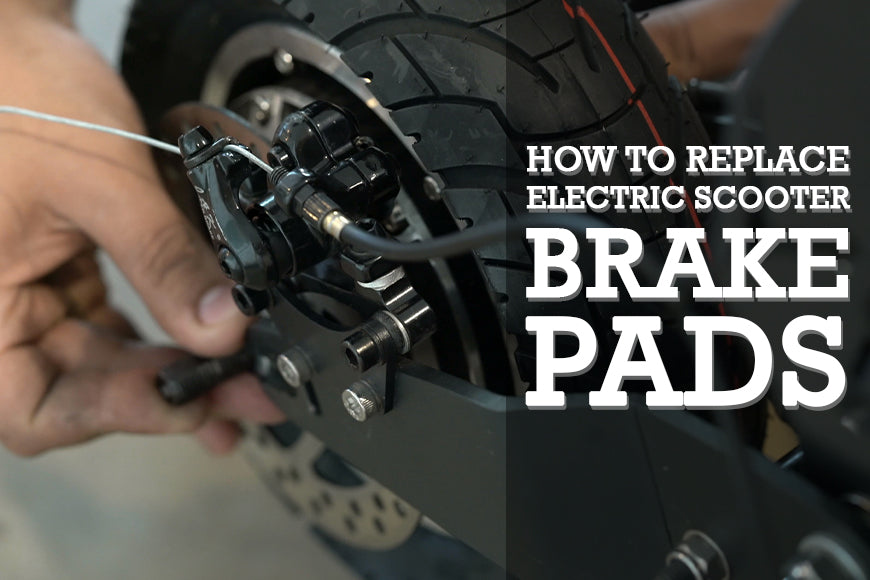
Wiedza, kiedy wymienić części, oszczędza pieniądze i poprawia bezpieczeństwo.
Opony
Wymień opony, gdy:
-
Bieżnik jest wyraźnie zużyty
-
Występuje częsta utrata ciśnienia
-
Pojawiają się pęknięcia lub wybrzuszenia
Zużyte opony zmniejszają stabilność i skuteczność hamowania.
Hamulce
Klocki hamulcowe należy wymienić, gdy:
-
Zwiększa się droga hamowania
-
Pisk staje się stały
-
Skok dźwigni wyraźnie się zwiększa
Opóźnianie serwisu hamulców uszkadza inne komponenty.
Elementy Złączne i Połączenia
Jeśli zauważysz:
-
Uporczywe poluzowanie
-
Skrzypiące odgłosy
-
Luz w kierownicy
przestań jeździć i natychmiast sprawdź. To są wczesne ostrzeżenia konstrukcyjne.
Kiedy Kontakt z Obsługą Posprzedażną Oszczędza Pieniądze
Wielu jeźdźców opóźnia kontakt z obsługą, zakładając, że będzie to kosztować więcej. W rzeczywistości wczesna komunikacja często oszczędza pieniądze.
Skontaktuj się z obsługą posprzedażną, gdy:
-
Problem utrzymuje się po podstawowych sprawdzeniach
-
Nie jesteś pewien, czy dźwięk lub wibracja są normalne
-
Zachowanie elektryki zmienia się nieoczekiwanie
Obsługa może pomóc:
-
Zidentyfikować problemy objęte gwarancją
-
Zapobiec niepotrzebnej wymianie części
-
Poprowadzić przez bezpieczne kroki naprawy
Zbyt długie zwlekanie może zamienić mały problem w kosztowną naprawę.
Jak Wygląda „Realistyczna” Żywotność
Przy prawidłowej pielęgnacji:
-
Komponenty konstrukcyjne mogą służyć wiele lat
-
Baterie zachowują użyteczną pojemność poprzez długoterminowy stopniowy spadek
-
Części eksploatacyjne są wymieniane okresowo, a nie wszystkie na raz
Hulajnoga Arwibon nie jest produktem jednorazowym. To system zaprojektowany do ciągłej konserwacji i długotrwałego użytkowania.
Żywotność to Partnerstwo Między Projektem a Pielęgnacją
Dobry projekt stanowi podstawę – ale nawyki jeźdźca decydują o rezultatach.
Hulajnogi Arwibon są zbudowane do użytku przez dorosłych i rzeczywistych warunków dojazdów, ale:
-
Odpowiedzialna jazda
-
Regularna konserwacja
-
Wczesne reagowanie na usterki
to właśnie zamienia hulajnogę z krótkoterminowego zakupu w długoterminowe rozwiązanie mobilności.
Długowieczność Pochodzi ze Zrozumienia
Pytanie „jak długo to posłuży?” jest właściwe. Szczera odpowiedź to nie pojedyncza liczba – to kombinacja konstrukcji, pielęgnacji baterii i nawyków konserwacyjnych.
Rozumiejąc, jak hulajnogi Arwibon się starzeją i stosując prosty rytm konserwacji, jeźdźcy mogą:
-
Wydłużyć użyteczną żywotność
-
Zmniejszyć całkowity koszt posiadania
-
Jeździć bezpieczniej i pewniej
Dobrze utrzymana hulajnoga Arwibon nie tylko służy dłużej – lepiej działa przez cały okres swojej żywotności.