


Trottinette électrique avec siège ou trottinette électrique sans siège
Alors que les trottinettes électriques continuent d'évoluer, passant de simples outils du dernier kilomètre à de véritables moyens de transport quotidiens, de plus en plus d'adultes se posent une question fondamentale :
Dois-je choisir une trottinette électrique assise ou debout ?
Les recherches liées à la trottinette électrique assise vs trottinette électrique debout proviennent généralement de conducteurs qui :
-
Font la navette quotidiennement au lieu de rouler occasionnellement
-
Parcourent de plus longues distances (13 à 48 km par trajet)
-
Transportent un poids corporel ou un équipement plus important
-
Se soucient du confort, de la stabilité et de l'utilisation à long terme
Cette comparaison est particulièrement pertinente pour les acheteurs adultes de trottinettes électriques qui envisagent des modèles comme l'Arwibon GT08, qui permet à la fois une conduite debout et des configurations de siège en option tout en restant une trottinette électrique pliable.
Ce guide analyse les différences concrètes, et non les arguments marketing, afin que vous puissiez choisir la configuration qui correspond réellement à vos habitudes de conduite, aux besoins de votre corps et à vos trajets quotidiens.

 Analyse du produit / des fonctionnalités
À première vue, la différence semble évidente : l'une a un siège, l'autre non.
En réalité, le choix affecte la posture du conducteur, la fatigue, la dynamique de contrôle, le comportement au freinage et les exigences d'entretien.
Analysons les principales différences d'un point de vue pratique.
1. Posture de conduite et fatigue
Trottinettes électriques debout
-
Engagent constamment les jambes, le tronc et les bras
-
Permettent un mouvement corporel rapide et une correction rapide de l'équilibre
-
Peuvent causer de la fatigue aux jambes, aux chevilles et au bas du dos sur de longues distances
Trottinettes électriques assises
-
Déplacent le poids du conducteur sur le cadre au lieu des jambes
-
Réduisent la fatigue musculaire lors de longs trajets
-
Offrent une posture plus détendue, surtout pour les trajets quotidiens
Pour les conducteurs adultes qui voyagent plus de 20 à 30 minutes par trajet, les trottinettes assises réduisent souvent considérablement la fatigue. C'est pourquoi de nombreux conducteurs longue distance préfèrent une configuration assise, même s'ils se tiennent occasionnellement debout si nécessaire.
2. Contrôle et réactivité
Les trottinettes debout offrent :
-
Un déplacement de poids plus rapide
-
Une réaction plus rapide aux obstacles
-
Une maniabilité plus intuitive à basse vitesse
Les trottinettes assises offrent :
-
Un centre de gravité plus bas
-
Une posture plus constante
-
Une réponse corporelle légèrement plus lente mais une stabilité améliorée à vitesse de croisière
Sur des modèles comme l'Arwibon GT08, les conducteurs alternent souvent entre la conduite debout et assise en fonction des conditions routières, ce qui montre que la différence n'est pas binaire mais situationnelle.
3. Perception de la vitesse vs sécurité réelle
Les conducteurs debout se sentent souvent plus rapides en raison de :
-
La posture droite
-
L'exposition accrue au vent
-
Un mouvement corporel plus important
Les conducteurs assis se sentent souvent plus stables à la même vitesse en raison de :
-
Un centre de gravité plus bas
-
Une réduction du transfert des vibrations vers les jambes
Il est important de noter que la vitesse maximale ne change pas simplement parce qu'un siège est ajouté, mais la distance de freinage, la tolérance à la fatigue et la confiance dans la réaction peuvent changer.
4. Rangement et portabilité
Une préoccupation courante est de savoir si un siège réduit la portabilité.
-
Les trottinettes debout sont généralement plus légères et plus simples à plier
-
Les trottinettes assises peuvent nécessiter de retirer ou de plier le siège
Cependant, de nombreuses trottinettes conçues pour les adultes, y compris l'Arwibon GT08, sont conçues pour rester des trottinettes électriques pliables, même avec une compatibilité de siège.
Pour les navetteurs qui :
-
Emportent leurs trottinettes au bureau
-
Les rangent dans des appartements
-
Combinent la trottinette avec les transports en commun
...la pliabilité est toujours importante, quel que soit le choix du siège.
5. Différences d'entretien
Les trottinettes assises introduisent :
-
Du matériel de montage de siège
-
Des fixations supplémentaires
-
Une contrainte légèrement plus élevée sur la suspension
Les trottinettes debout :
-
Ont moins de composants
-
Nécessitent moins d'inspection structurelle
Ceci dit, pour les conducteurs adultes, la différence d'entretien est minime lorsque les vérifications de base sont effectuées régulièrement.
Guide d'achat / Scénario d'utilisation
Le choix entre une trottinette électrique assise et une trottinette électrique debout dépend beaucoup plus de la façon dont vous roulez que de l'apparence de la trottinette.
Scénario 1 : Trajets urbains quotidiens
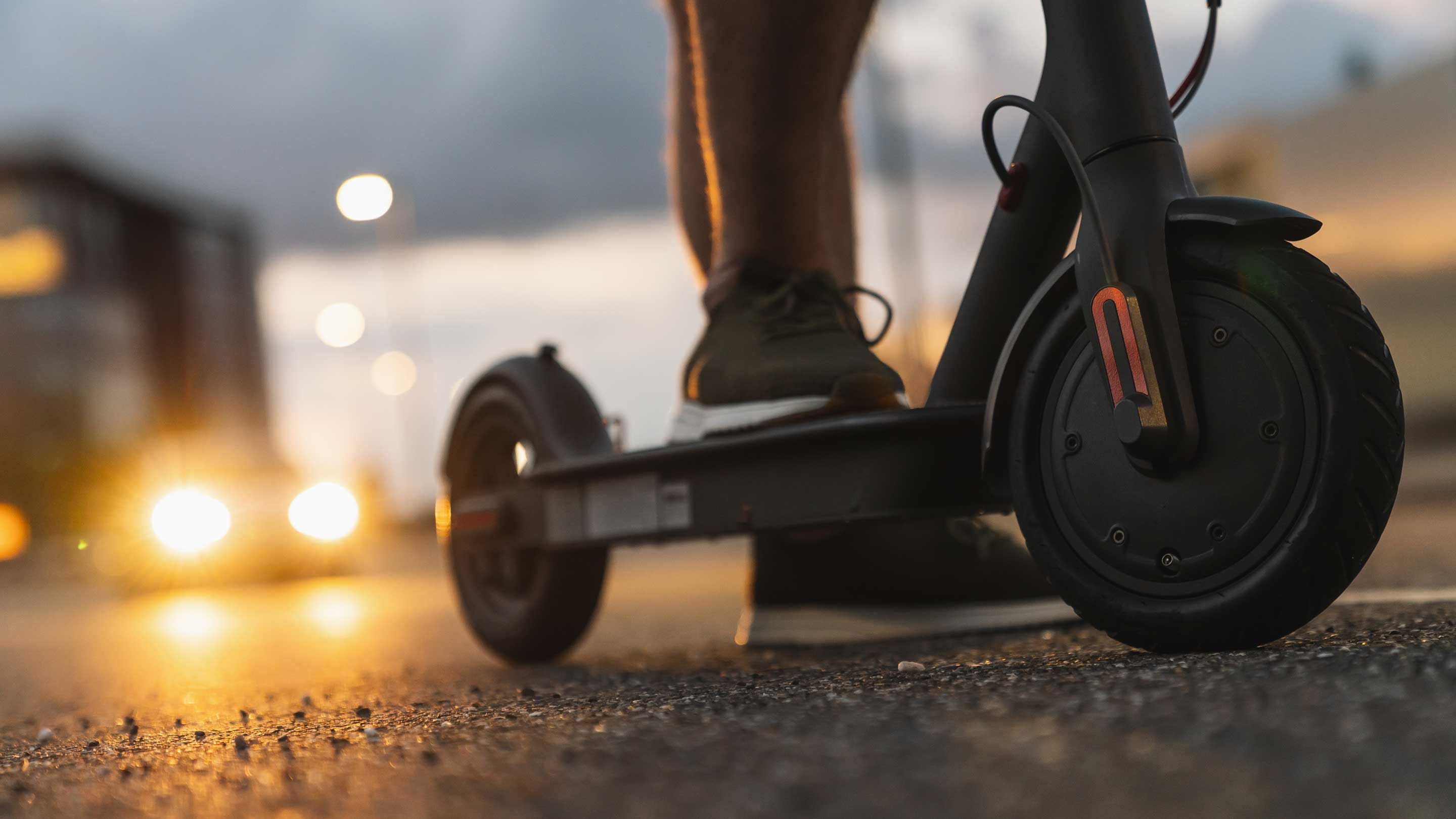 La trottinette debout convient le mieux si :
-
Votre trajet est court (moins de 8 à 10 km)
-
Vous roulez dans un trafic dense et avez besoin d'agilité
-
Vous transportez fréquemment la trottinette à l'étage
La trottinette assise convient le mieux si :
-
Votre trajet dépasse 20 à 30 minutes
-
Vous roulez principalement sur des routes droites ou des pistes cyclables
-
Le confort et la réduction de la fatigue sont importants
Pour les navetteurs adultes, de nombreux conducteurs choisissent une trottinette qui prend en charge les deux options, commençant assis pour les longues sections et se levant lorsque la maniabilité est nécessaire.
Scénario 2 : Conduite longue distance
La conduite longue distance met en évidence la plus grande différence entre les trottinettes assises et debout.
Rester debout pendant de longues périodes peut entraîner :
-
Engourdissement des pieds
-
Tension aux genoux
-
Réduction de la concentration
La conduite assise :
-
Préserve l'énergie
-
Améliore la constance
-
Rend les longs trajets réalistes
C'est là que les trottinettes pour adultes comme l'Arwibon GT08 excellent, car elles sont conçues pour une utilisation prolongée plutôt que pour de courts trajets récréatifs.
Scénario 3 : Conducteurs adultes plus lourds
Les conducteurs plus lourds ressentent souvent :
-
Une fatigue plus rapide des jambes en position debout
-
Un stress accru sur les chevilles et les genoux
Une trottinette électrique assise répartit la charge plus uniformément sur le cadre et la suspension, ce qui en fait une meilleure option pour de nombreux conducteurs adultes.
Scénario 4 : Conduite mixte (le meilleur des deux mondes)
Certains des conducteurs adultes les plus satisfaits choisissent des trottinettes qui :
-
Permettent la conduite assise pour le confort
-
Permettent la conduite debout pour le contrôle
Cette flexibilité est particulièrement utile sur les trottinettes dotées de :
-
Planches larges
-
Suspension solide
-
Systèmes de freinage stables
Détails techniques / Sécurité / Entretien

1. Différences de freinage
La dynamique de freinage change légèrement en position assise :
-
Le poids du conducteur se déplace moins vers l'avant
-
Le temps de réaction peut être légèrement plus lent
Pour la sécurité, les trottinettes assises doivent toujours avoir :
-
Un freinage avant et arrière puissant
-
Une modulation de freinage prévisible
Les trottinettes adultes haute performance compensent cela par de meilleurs systèmes de freinage plutôt que de se fier uniquement à la posture du conducteur.
2. Suspension et stabilité
La conduite assise exerce une charge continue sur la suspension :
-
Une mauvaise suspension entraîne un inconfort
-
Une bonne suspension améliore le contrôle et la confiance
La conduite debout repose davantage sur les jambes du conducteur pour absorber les vibrations, ce qui devient fatigant avec le temps.
3. Équipement et habitudes de sécurité
Quel que soit le choix du siège :
-
Le port du casque est obligatoire
-
L'équipement de visibilité est fortement recommandé
-
La vitesse doit être adaptée aux conditions routières
La conduite assise ne doit jamais être considérée comme « plus sûre par défaut » – elle exige toujours une vigilance et une technique appropriées.
4. Considérations relatives à l'entretien
Les trottinettes assises nécessitent :
-
Des vérifications régulières des boulons de siège
-
Une inspection des jeux ou bruits
-
Un suivi de l'usure de la suspension
Les trottinettes debout :
-
Nécessitent plus d'attention à l'adhérence du plateau et à la fermeté de la potence
Dans les deux cas, des vérifications hebdomadaires de routine réduisent considérablement les risques de panne.
Quelle est la meilleure option : assise ou debout ?
Il n'y a pas de réponse universelle, seulement la bonne réponse pour votre style de conduite.
| Type de conducteur | Meilleure option |
|---|---|
| Navetteur courte distance | Debout |
| Navetteur longue distance | Assis |
| Conducteur adulte plus lourd | Assis |
| Conducteur urbain agile | Debout |
| Conducteur axé sur le confort | Assis |
| Conducteur polyvalent | Convertible (les deux) |
C'est pourquoi de nombreux conducteurs adultes préfèrent des trottinettes comme l'Arwibon GT08, qui offrent une flexibilité sans imposer un seul style de conduite.
Le débat entre trottinette électrique assise ou trottinette électrique debout ne porte pas sur laquelle est la « meilleure » – il s'agit de savoir laquelle est la plus appropriée à votre réalité quotidienne.
Les trottinettes debout excellent en agilité et en simplicité.
Les trottinettes assises excellent en confort et en endurance.
Pour les conducteurs adultes, en particulier les navetteurs et les utilisateurs longue distance, le confort, la stabilité et la durabilité sont plus importants que la nouveauté.
Si vous :
-
Faites la navette régulièrement
-
Roulez sur de plus longues distances
-
Souhaitez de la flexibilité
-
Valorisez la facilité d'utilisation à long terme
…choisir une trottinette électrique adulte qui supporte les deux styles de conduite — tout en restant une trottinette électrique pliable — est souvent la décision la plus judicieuse.